
Do Solar Panels Work on Rainy Days?
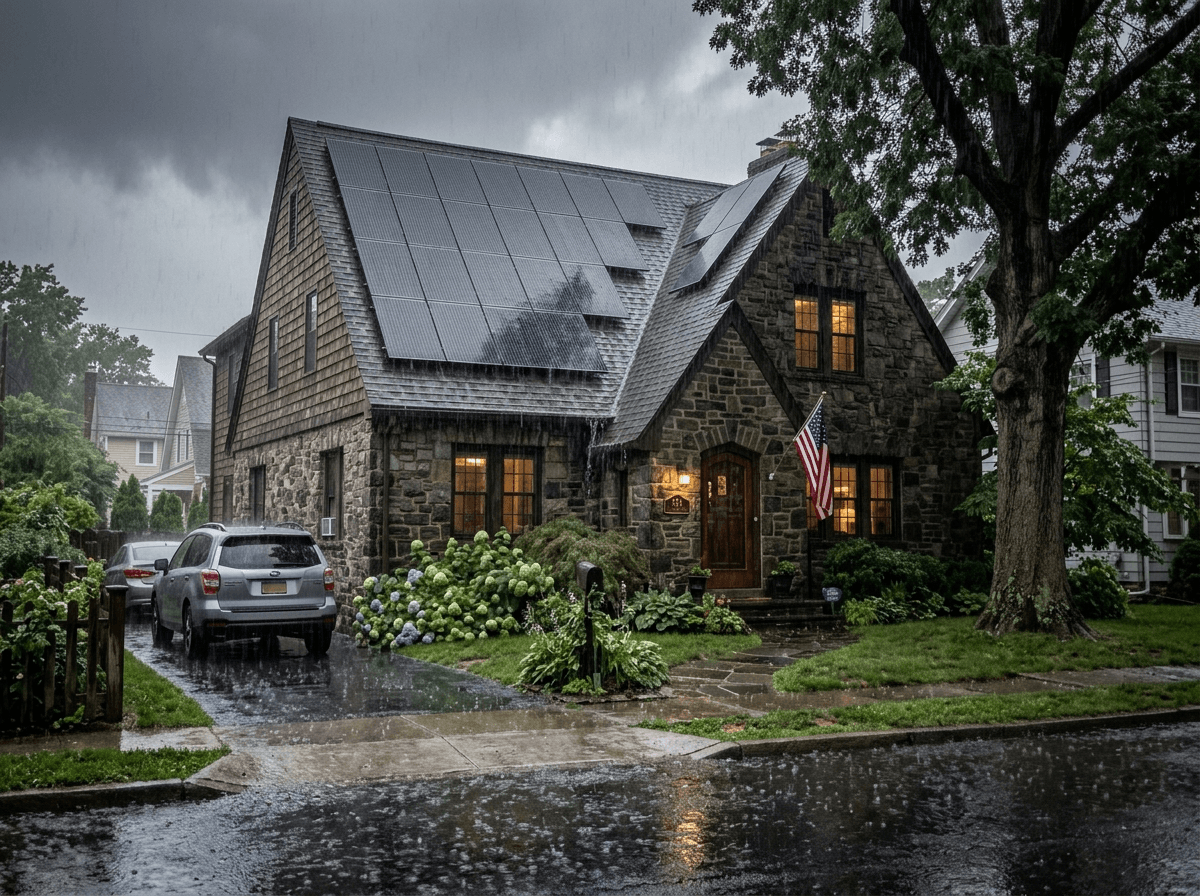
Solar energy has become a reliable choice for homeowners looking to reduce electric bills and take greater control of their energy use. One of the common questions about solar panels is whether they work during rainy weather.
The simple answer is that solar panels are designed to work in a wide range of conditions—including rain. Because they generate electricity from daylight rather than direct sunshine alone, they continue to produce energy whenever there is natural light available.
In this blog, we explain how solar panels work in rainy weather, the benefits of rain for solar system performance, how net metering and solar battery storage support consistent energy use, and how solar panels are built to withstand all weather conditions for long-term durability.
1. How Solar Panels Work in Rainy Weather
Solar panels generate electricity using the photovoltaic effect, which occurs when photons (particles of light) hit solar cells and create an electric current. This process allows solar panels to produce energy whenever daylight is available.
Therefore, solar panels continue generating electricity during rainy weather. Although clouds reduce the intensity of sunlight, diffused light still reaches the panels, so they can continue generating clean energy and help lower your dependence on the grid.
2. Benefits of Rain for Solar Panels
In addition, rain helps remove dust and debris from solar panels while also cooling them, which can improve their efficiency.
Natural Cleaning
One of the key advantages of rain for solar panel systems is its ability to help clean the panels surface. Over time, dust, dirt or pollen can accumulate on solar panels and block sunlight from reaching the photovoltaic cells properly.
Cleaner panels can absorb more sunlight when the weather clears, helping maintain efficient energy production.
Cooler Temperatures
Solar panels generally perform more efficiently in cooler temperatures than in extreme heat. Overcast conditions often lower the temperatures of the panels, which can improve their operating efficiency.
3. How Net Metering and Solar Batteries Work
Net Metering and solar battery storage help homeowners get the most value from their solar energy system, especially when production changes with weather and time of the day.
Net Metering
The excess electricity your solar panels produce is sent to the utility grid in exchange for credits. These credits can be used later to offset electricity use when your system isn't producing enough power.
Solar Battery System
A solar battery system stores excess energy generated by your solar panels for later use instead of sending it back to the grid. This stored power can run your home in the evening, during low-sunlight periods, or during power outages.
4. Solar Panel Performance in All Weather Conditions
Solar panels are built for long-term outdoor use and are designed to perform in a wide range of weather conditions, including rain, wind, snow, and hail. They are made with durable, weather-resistant materials that protect internal components from moisture and environmental damage.
Most modern solar panels systems are engineered to last 25 years or more, with only minimal maintenance required over their lifespan.
Conclusion
Solar panels provide reliable energy savings throughout the year, helping homeowners reduce electricity costs and increase energy independence in any season. With options like net metering and battery storage, solar systems make it easier to maximize your energy use and get more value from your investment.
Ready to see how can solar benefit your home? Contact Pinnacle Exteriors at (484) 350-6829 to schedule a FREE solar assessment with one of our specialists.
Contact Us Today
and Schedule Your
Free Estimate
Special Offer
Get a Referral Fee
For Any Customer You Refer Directly to Us
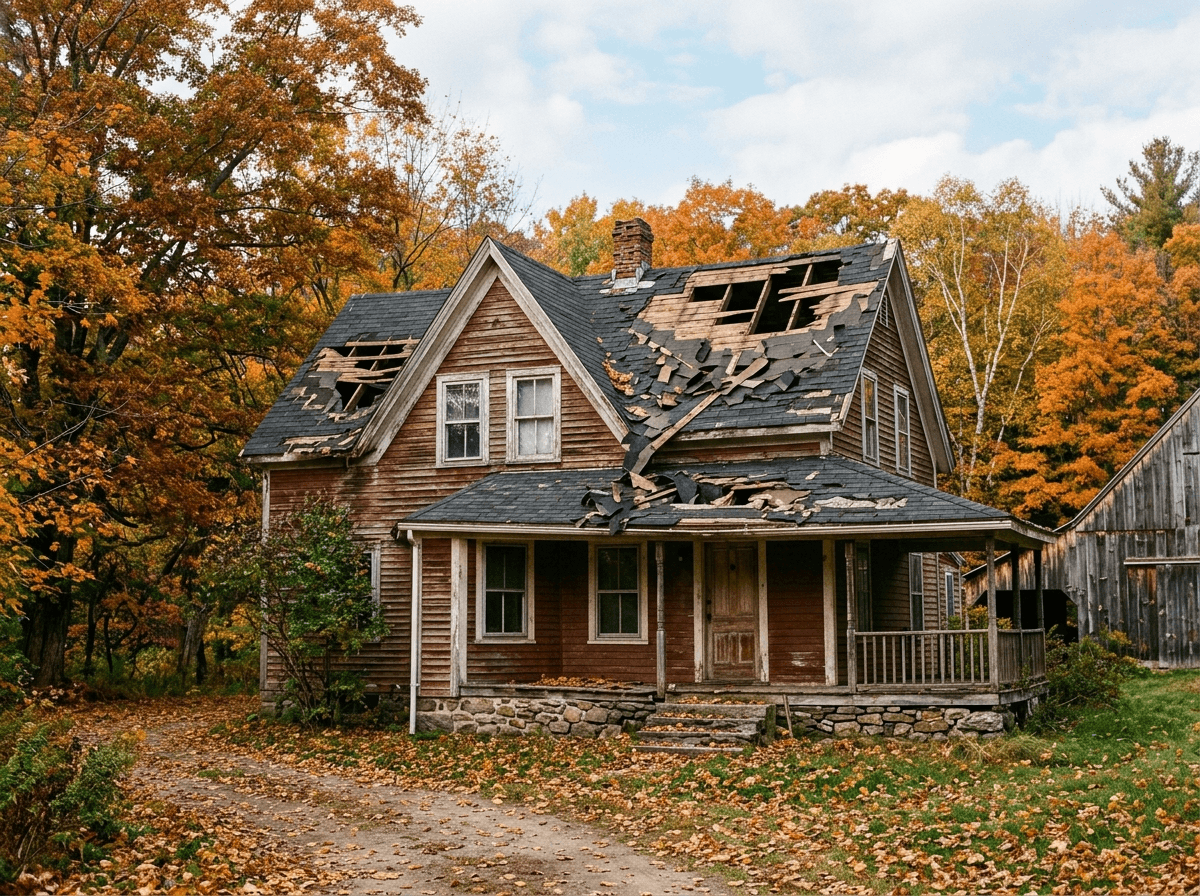
Knowing when your roof needs to be replaced can help you prevent costly damage to your home. Learn how to identify key warning signs, including curling or missing shingles, excessive granules in your gutters, cracked shingles, and moss or algae growth, and understand when these issues may indicate it's time for a new roof.
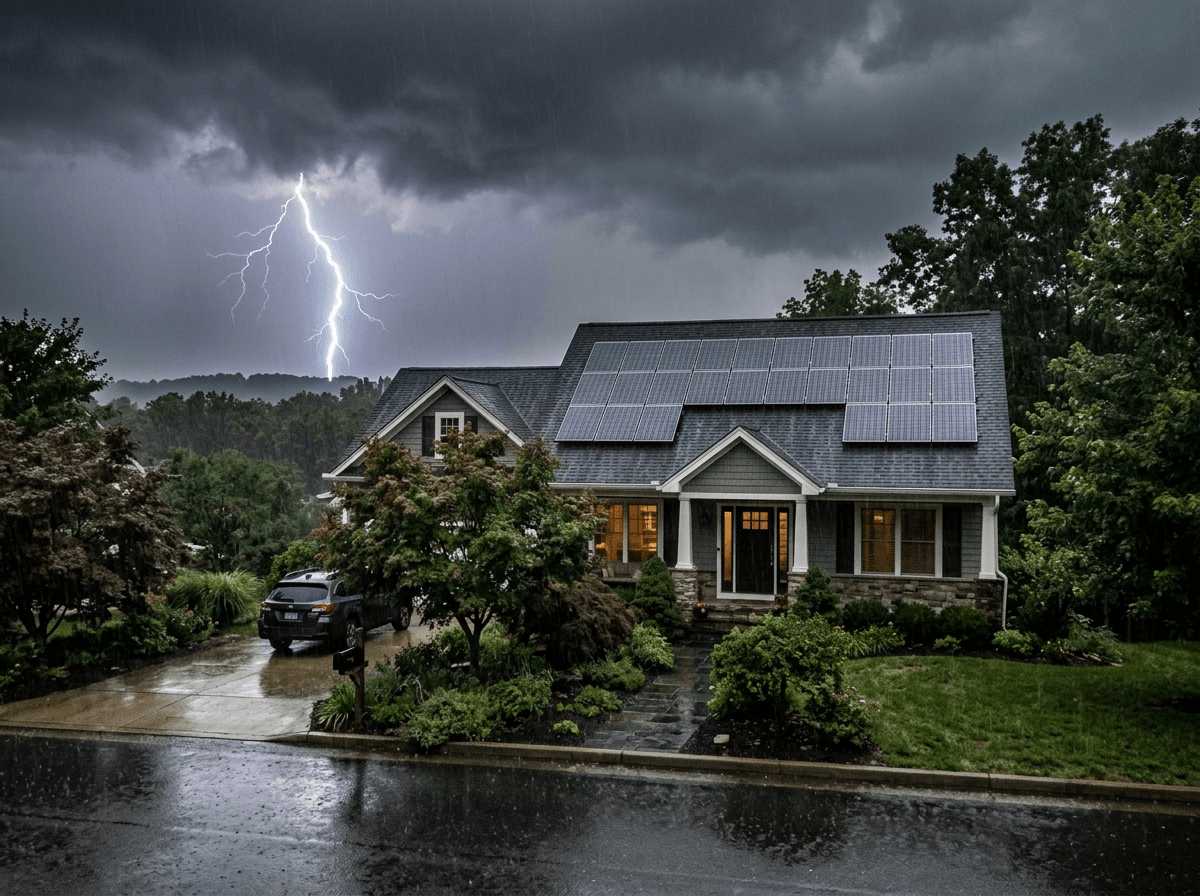
Learn what happens to solar panels during a power outage and how backup solutions can keep your home powered.
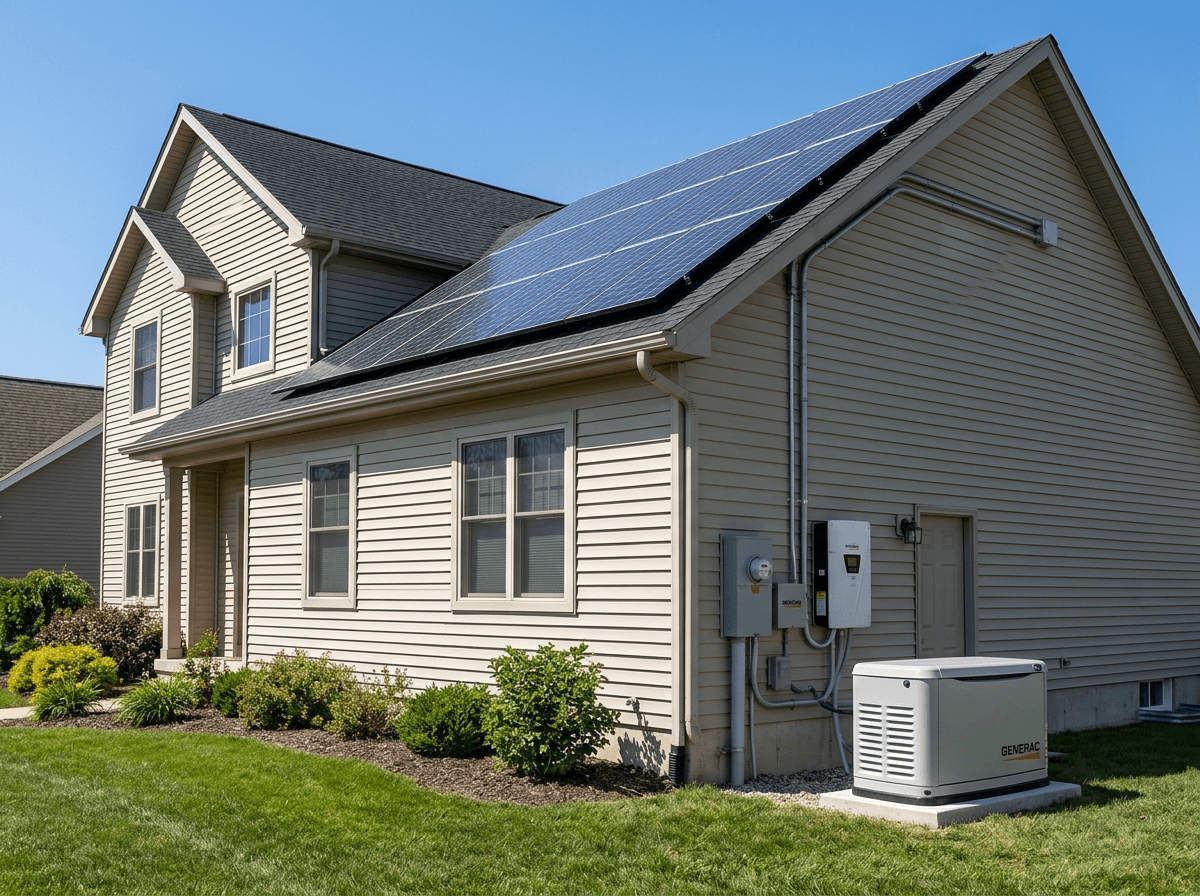
Discover whether you can use a generator with solar panels and how combining solar energy with backup power can keep your home running during outages. Learn the differences between generators and solar battery backups, how they work together, and which solution may be right for your energy needs.
Contact Us Today
and Schedule Your
Free Estimate
Special Offer
Get a Referral Fee
For Any Customer You Refer Directly to Us
Knowing when your roof needs to be replaced can help you prevent costly damage to your home. Learn how to identify key warning signs, including curling or missing shingles, excessive granules in your gutters, cracked shingles, and moss or algae growth, and understand when these issues may indicate it's time for a new roof.
Learn what happens to solar panels during a power outage and how backup solutions can keep your home powered.
Discover whether you can use a generator with solar panels and how combining solar energy with backup power can keep your home running during outages. Learn the differences between generators and solar battery backups, how they work together, and which solution may be right for your energy needs.