
Pennsylvania Net Metering: A Homeowner's Guide in 2026
As more Pennsylvania homeowners adopt solar energy, understanding how to get the most value from their systems has become increasingly important. From reducing monthly electric bills to taking advantage of available utility programs, solar power offers both financial and environmental benefits.
This guide explains how net metering works in Pennsylvania, who qualifies, and how homeowners can use it to maximize their solar savings in 2026.
1. What Is Net Metering?
Net metering is a utility billing mechanism that credits solar energy system owners for the electricity they add to the grid. When a system produces more energy than is used on-site, the excess is exported to the grid and credited against future electricity consumption, helping reduce overall energy costs.
2. How Does Net Metering Work in PA?
Solar Energy Production and On-Site Usage
Your solar panels generate electricity during daylight hours, which is used first to power your home or business. This reduces the amount of electricity you need to purchase from your utility.
Exporting Excess Energy to the Grid
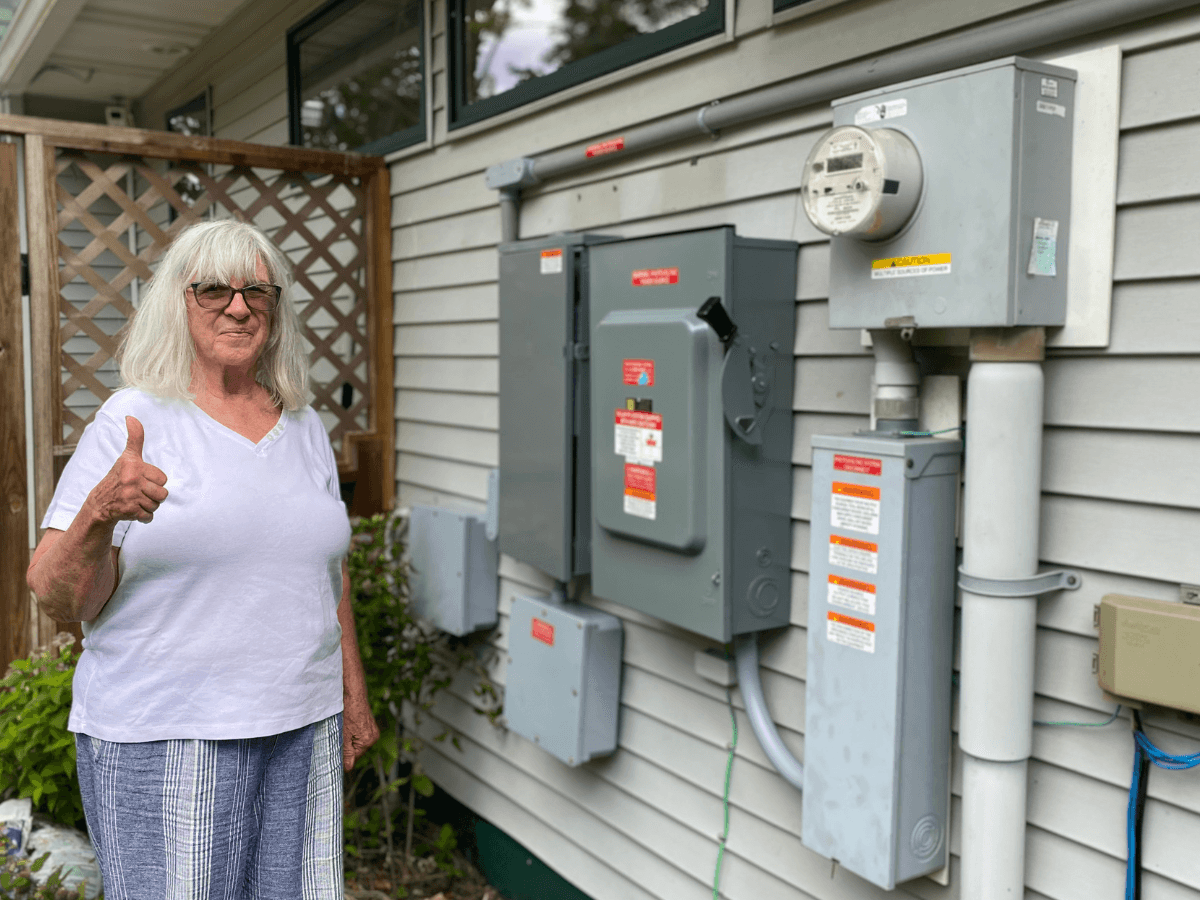
When your system produces more electricity than you need, the excess energy is automatically sent to the utility grid. A bi-directional meter tracks both the electricity you consume from the grid and the surplus energy you export.
Earning Retail-Rate Bill Credits
In Pennsylvania, excess electricity is typically credited at the full retail rate. This means each kilowatt-hour (kWh) you export offsets a kWh you would otherwise pay for, maximizing your savings.
Using Credits When Solar Production is Low
When your solar system is not producing enough electricity, such as at night, you draw power from the grid. The credits you've accumulated are then applied to reduce or eliminate those charges.
Monthly Credit Rollover
Unused credits roll over from month to month within a 12-month billing cycle. This allows you to take full advantage of seasonal production differences, storing excess summer generation for use in the winter.
Annual True-Up and Credit Payout
At the end of the annual billing cycle, any remaining credits are reconciled in a process called a "true-up." These leftover credits are typically paid out at the utility's price-to-compare (PTC) rate, which is lower than the retail rate.
3. Who Qualifies for Net Metering in Pennsylvania?
Net metering in Pennsylvania is available to a wide range of electricity customers, but eligibility depends on the type of system, size, and utility. Understanding who qualifies is essential for homeowners and businesses considering solar energy.
Residential Customers
- Homeowners with solar energy systems up to 50 kilowatts (kW) in size are eligible.
- Systems must be installed at the customer's residence and connected to the utility grid.
- Most investor-owned utilities in Pennsylvania, such as PECO, PPL, Duquesne Light, are required to offer net metering to residential customers.
Conclusion
In Pennsylvania, solar savings in 2026 primarily come from net metering, which reduces monthly utility costs.
To see what solar could mean for your home, contact Pinnacle Exteriors at (484) 350-6829 to schedule your Free solar assessment.
Contact Us Today
and Schedule Your
Free Estimate
Special Offer
Get a Referral Fee
For Any Customer You Refer Directly to Us

Knowing when your roof needs to be replaced can help you prevent costly damage to your home. Learn how to identify key warning signs, including curling or missing shingles, excessive granules in your gutters, cracked shingles, and moss or algae growth, and understand when these issues may indicate it's time for a new roof.
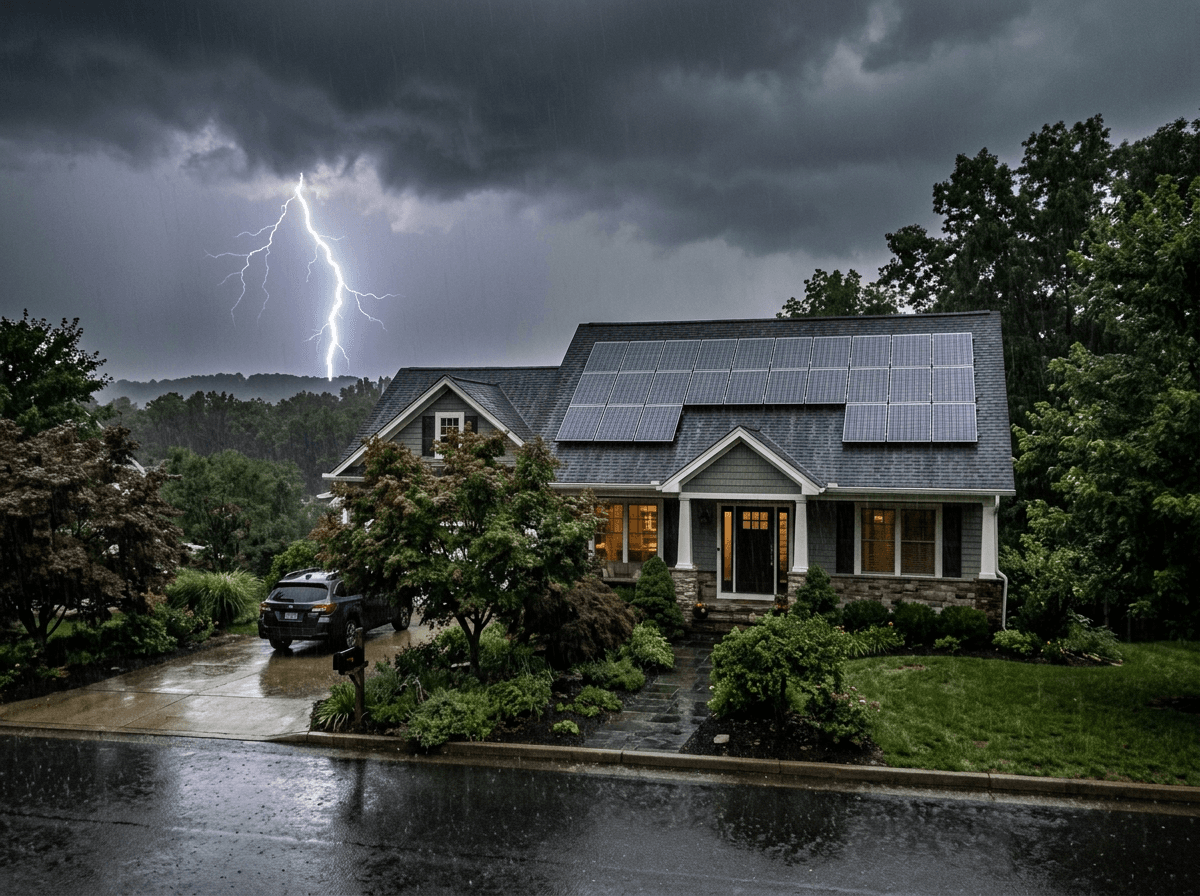
Learn what happens to solar panels during a power outage and how backup solutions can keep your home powered.
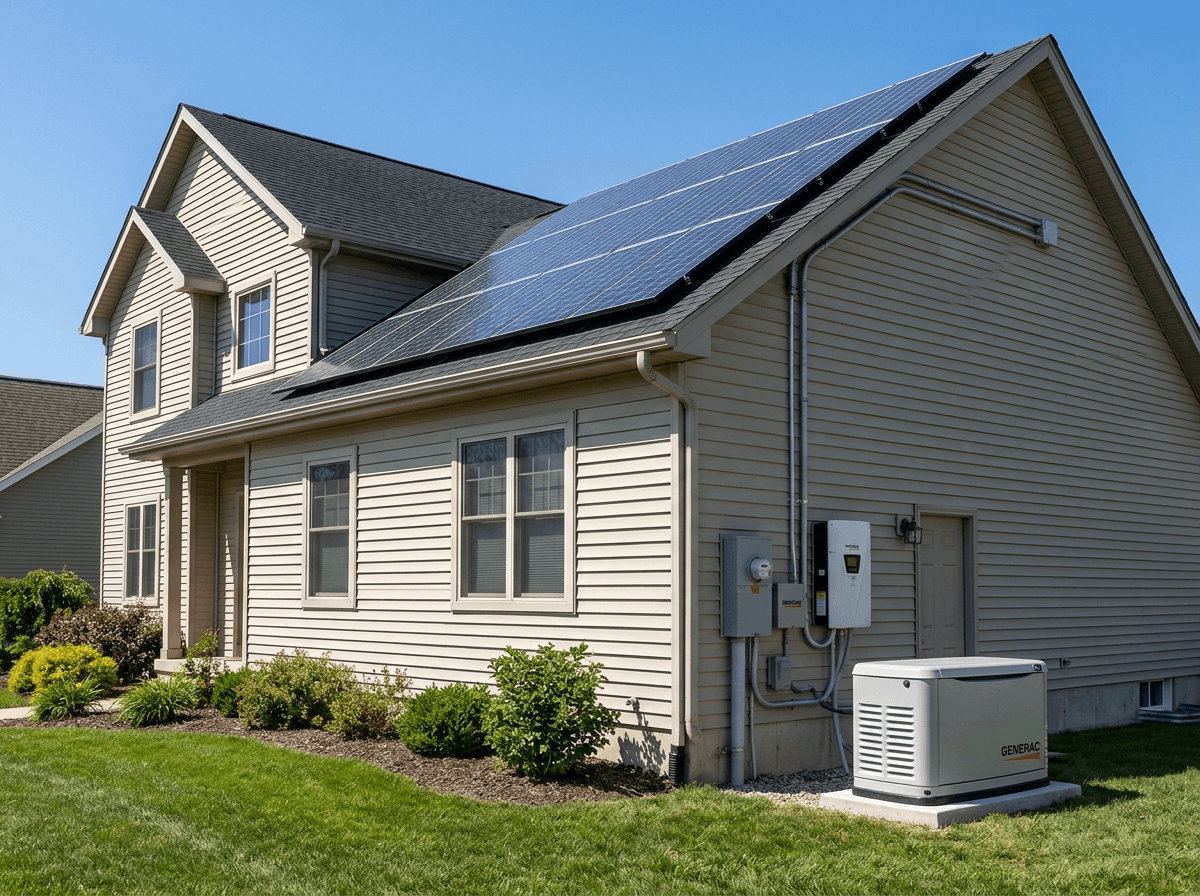
Discover whether you can use a generator with solar panels and how combining solar energy with backup power can keep your home running during outages. Learn the differences between generators and solar battery backups, how they work together, and which solution may be right for your energy needs.