
How Do You Know If You Need a New Roof? 5 Warning Signs
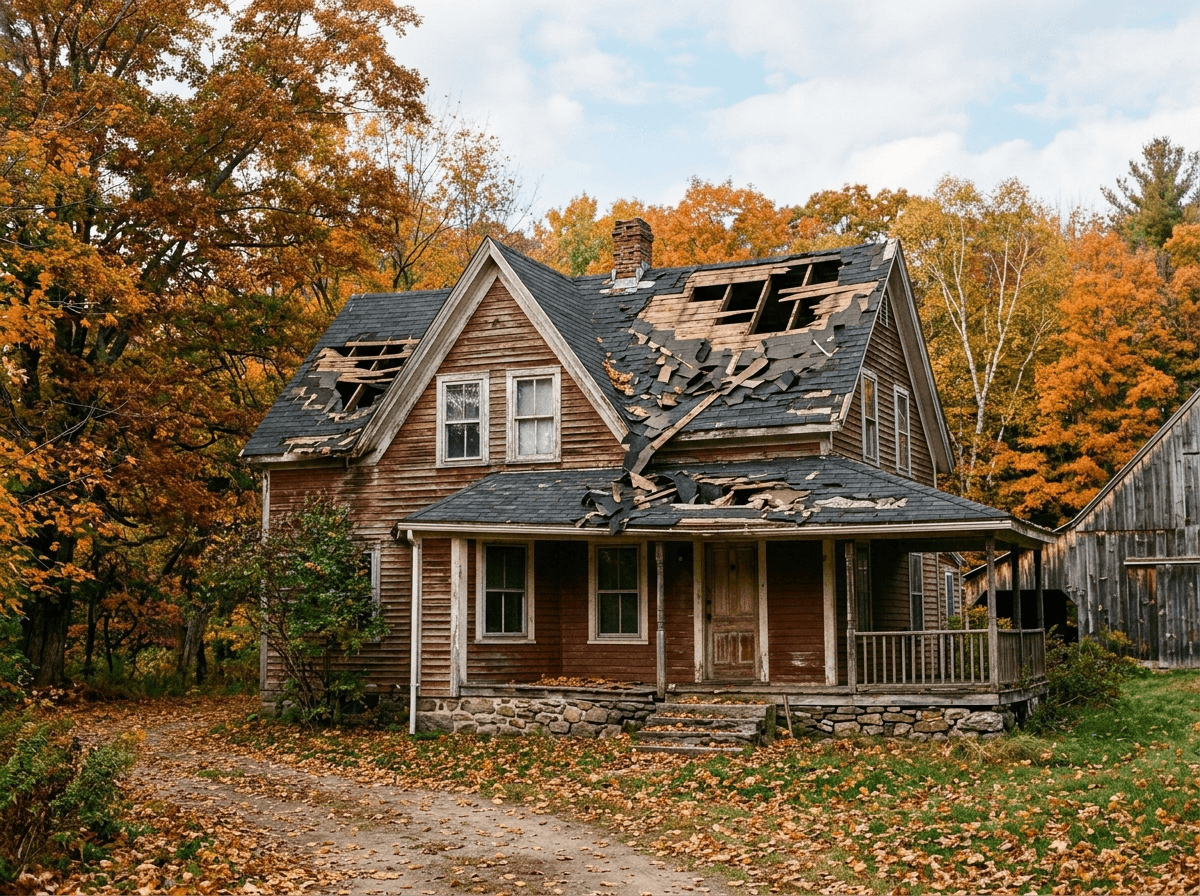
Your roof doesn't usually fail overnight. In many cases, it gives you warning signs long before a major leak or serious structural problem occurs. The challenge is knowing which changes are simply part of normal wear and tear—and which ones could mean your roof is approaching the end of its life.
If you've recently looked at your roof and wondered, "How do I know if I need a new roof?", you're not alone. Roofing problems aren't always easy to spot, especially when you're viewing your roof from the ground. What may look like a minor cosmetic issue could sometimes point to deeper deterioration.
Knowing what to look for can help you identify the signs of an aging or failing roof early and make a more informed decision about whether it's time for a full roof replacement.
So, what signs should you be watching for?
1. Curling and Buckling Shingles
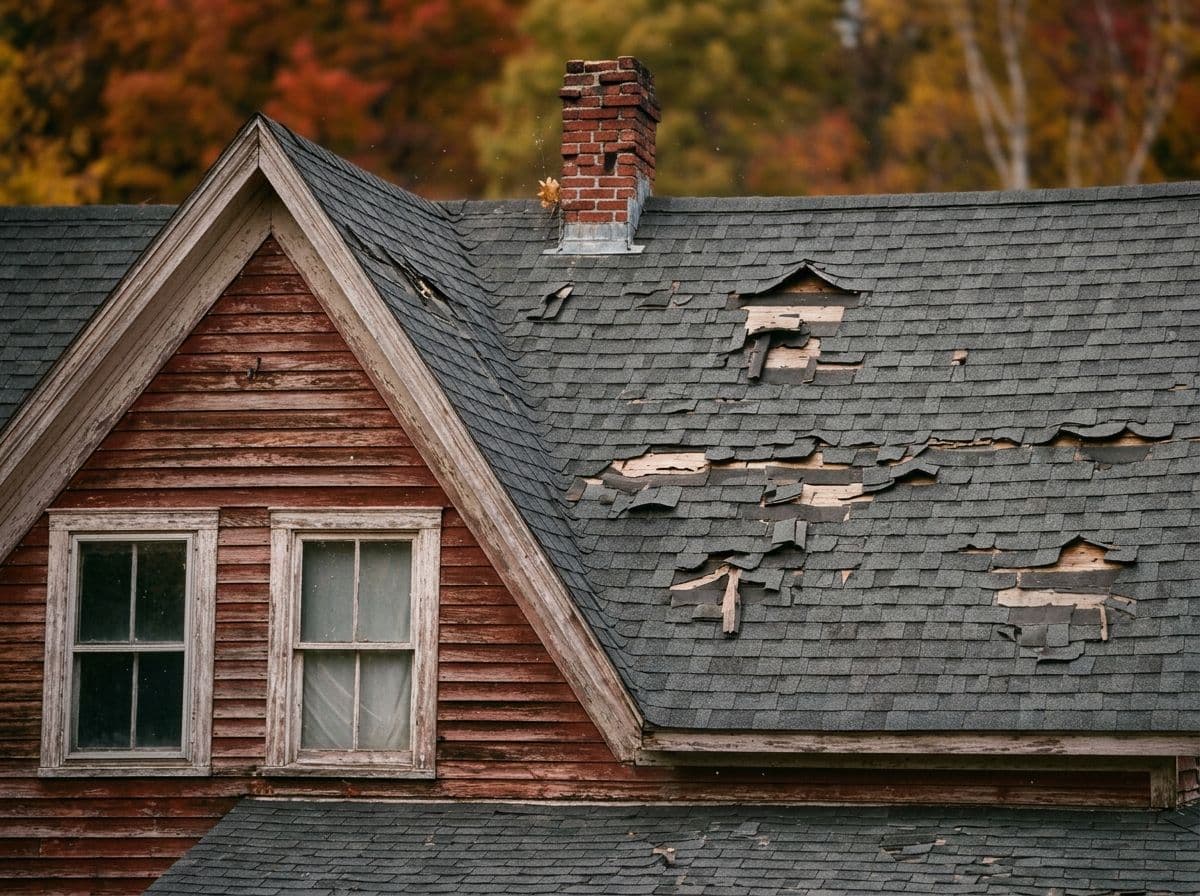
Take a look at the shape of your shingles. Are the edges starting to turn upward? Do some shingles appear wavy, raised, or buckled in the middle?
These changes can be signs that your roofing materials are aging. Years of heat and weather exposure can cause shingles to lose their original shape and become less effective at protecting your home.
While an isolated damaged shingle may not necessarily mean you need an entirely new roof, widespread curling or buckling deserves closer attention. When these issues appear across multiple areas, they may indicate that the roof is reaching the later stages of its service life.
2. Missing Shingles
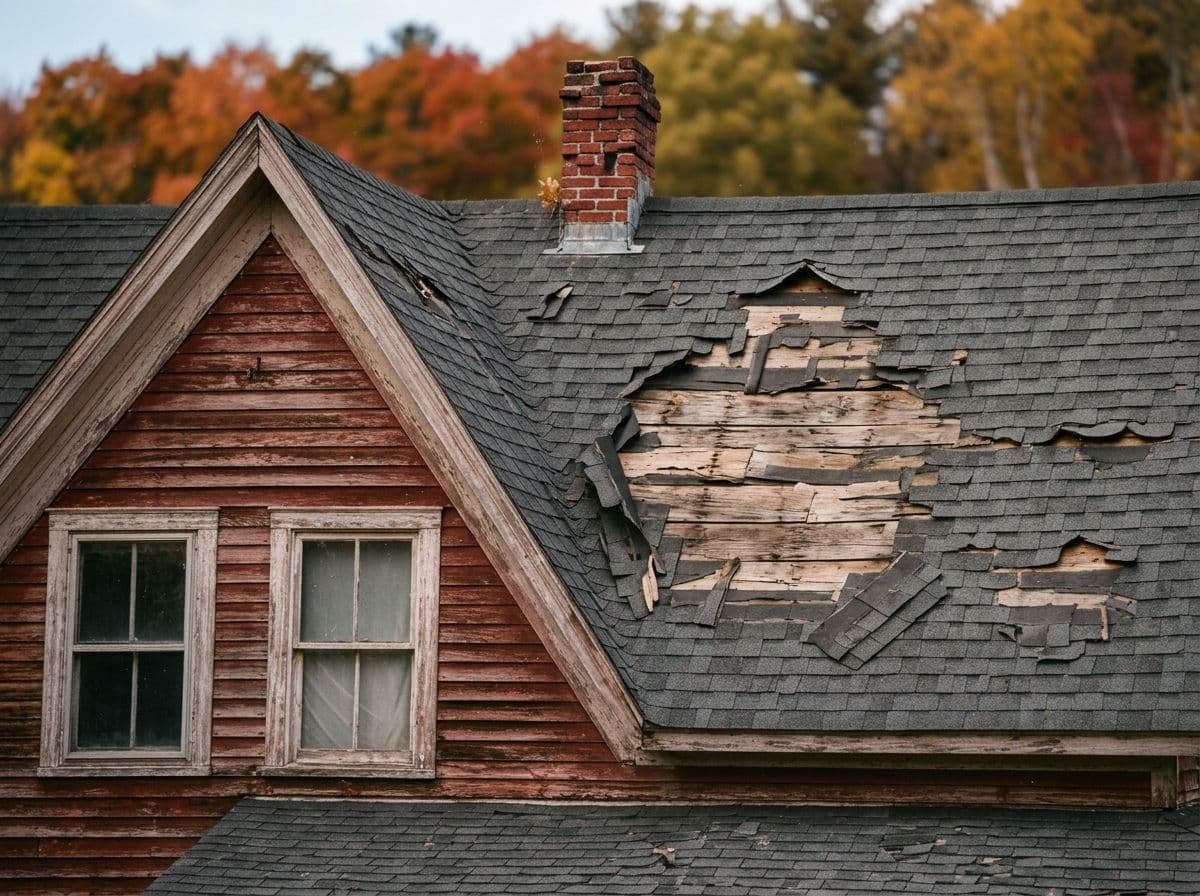
Your shingles are designed to work together as a protective barrier. When one or more are missing, that barrier is interrupted.
Missing shingles can leave sections of the roof exposed to rain and other elements. Water may then work its way beneath neighboring shingles and potentially reach the roof deck.
Strong winds and severe storms can cause shingles to come loose, but missing shingles can also become more common as the roof ages. If you're seeing several bare spots rather than a shingle isolated area, it's worth having the condition of the entire roof evaluated.
3. Granules Collecting in Your Gutters
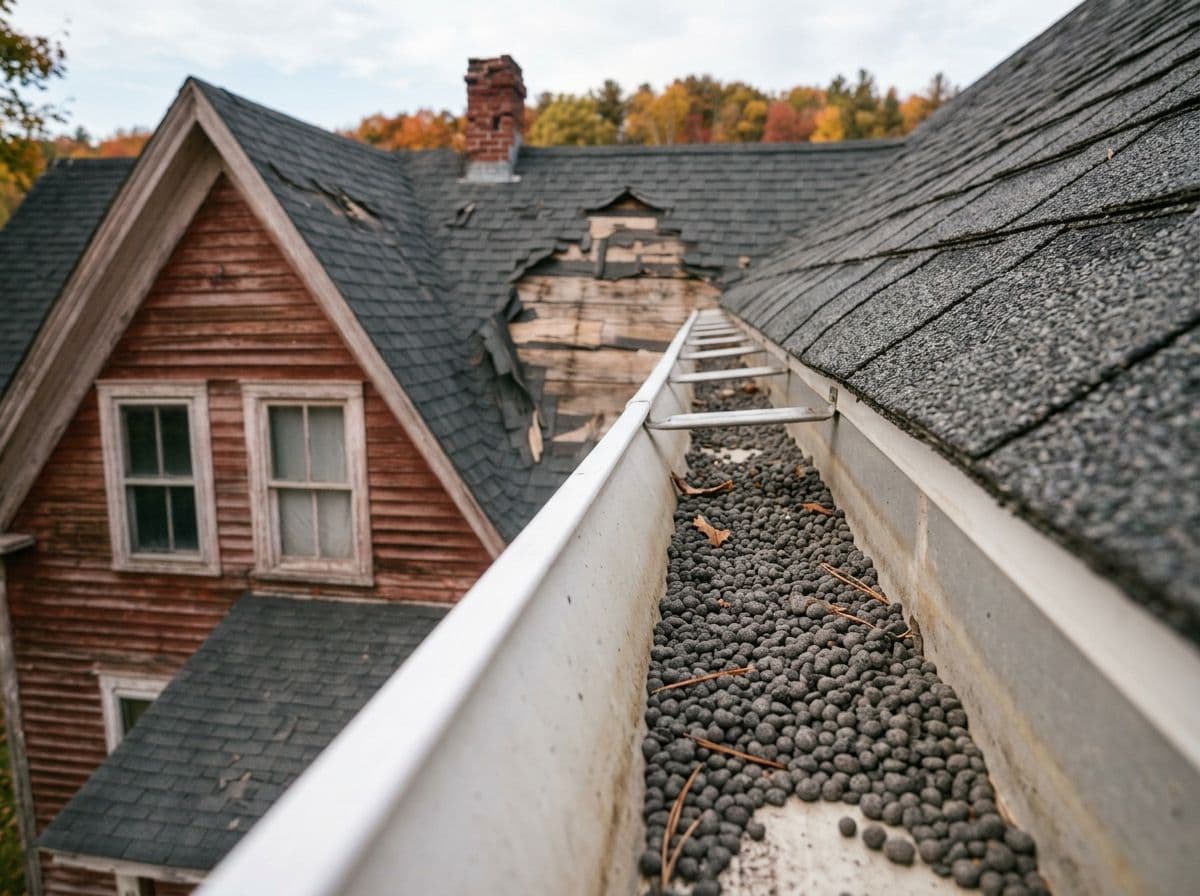
Your gutters can sometimes tell you more about your roof than you might expect.
If you've noticed a significant amount of sand-like material collecting in your gutters or around downspouts, those granules may be coming from your asphalt shingles.
Granules provide a protective layer that helps shingles withstand sunlight and weather exposure. As roofing materials age, they can begin shedding this layer. While some granule loss is normal, especially with newer shingles, excessive accumulation can be a warning sign that your roof is wearing down.
If your gutters seem unusually full of roofing granules, don't ignore what they're telling you.
4. Cracked Shingles
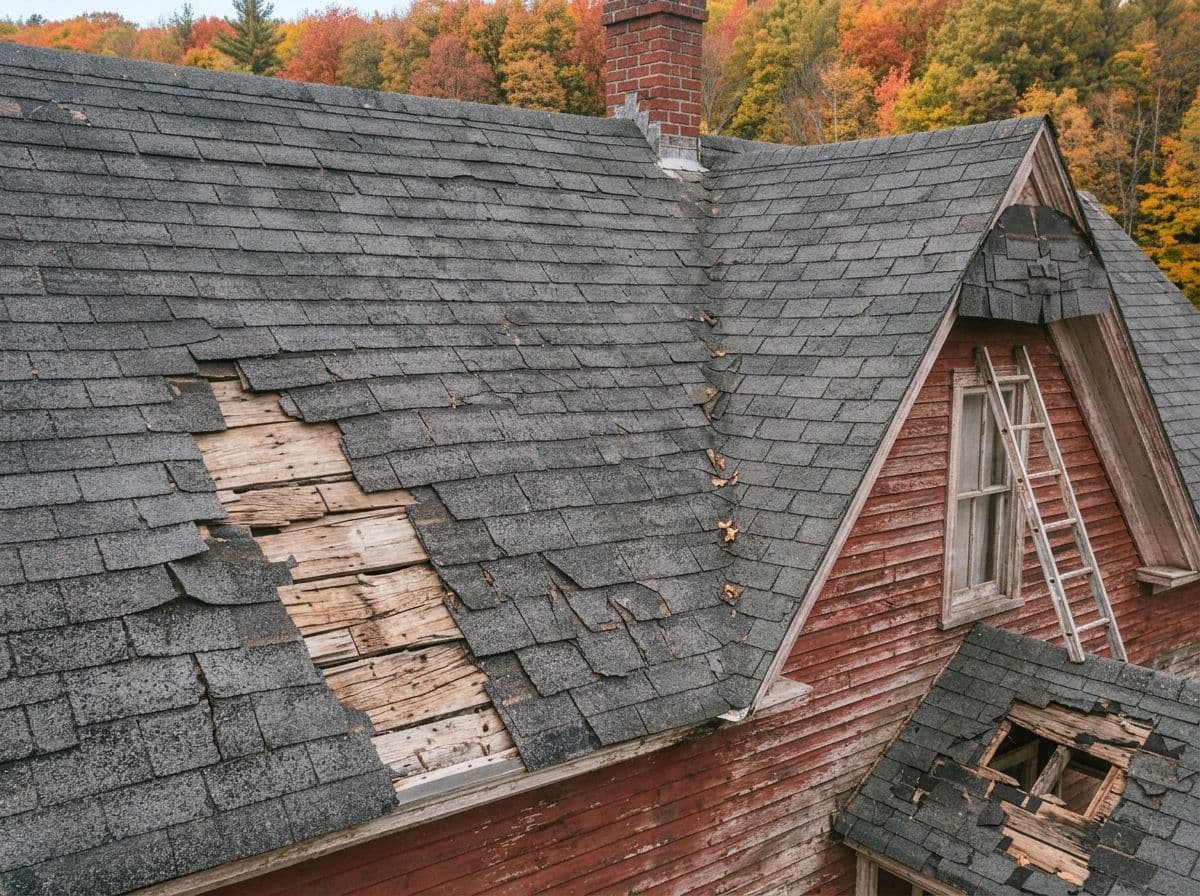
Roofing materials have to withstand everything from intense sunlight and temperature changes to heavy rain, wind, falling debris. Over time, that exposure can take its toll.
Cracked shingles can develop as a result of extreme weather, heavy pressure, impact, or aging. Even relatively small cracks can create opportunities for moisture to penetrate areas of the roofing system that should remain protected.
A few damaged pieces may be repairable. However, widespread cracking can be a sign that the roofing material is deteriorating more extensively.
After a major storm, it's particularly important to have your roof inspected if you suspect damage—even if you haven't noticed a sign inside your home.
5. Moss and Algae Growth
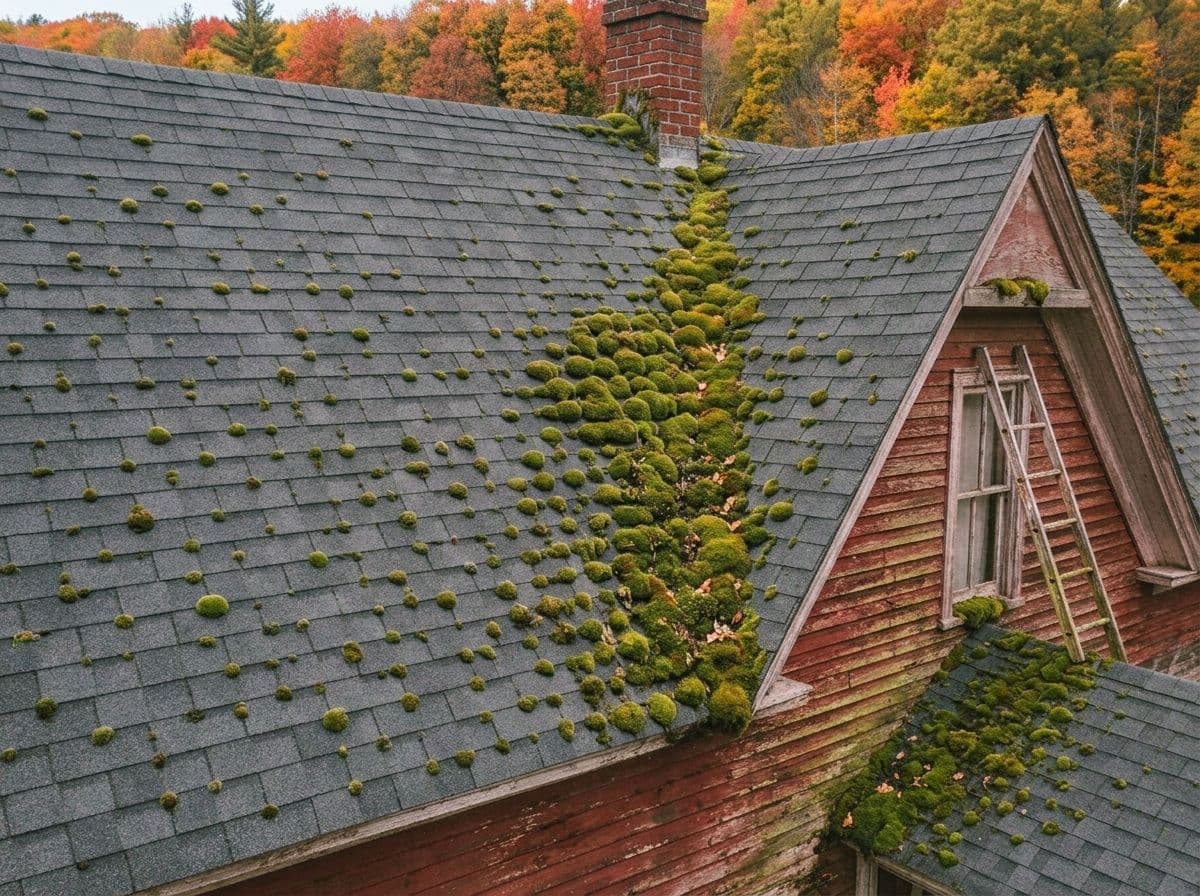
A little discoloration on your roof might not seem like a major concern. When moss or algae becomes heavy and widespread, it can be more than an aesthetic issue.
Moss can trap moisture against the surface of your roof. Persistent moisture can contribute to the deterioration of roofing materials and affect the protective seal that helps keep water out.
Algae growth doesn't necessarily mean your roof needs immediate replacement. However, significant growth combined with other signs of aging may indicate that your roofing system deserves a closer inspection.
Rather than simply treating the visible growth, it's important to understand the condition of the roofing materials underneath it.
Conclusion
A healthy roof plays a critical role in protecting your home, so it's important not to overlook the signs of wear and damage. If you've noticed any of these issues, now is the time to take a closer look rather than waiting for the problem to worsen.
Call Pinnacle Exteriors at (484) 350-6829 to schedule a FREE inspection with one of our specialists. We'll evaluate your roof, answer your questions, and help you determine the right next step for your home.